Replacing windows in winter
Worried the cold rules it out? It doesn’t. Winter window replacement is routine — and often quicker to book, because demand eases after the autumn rush.
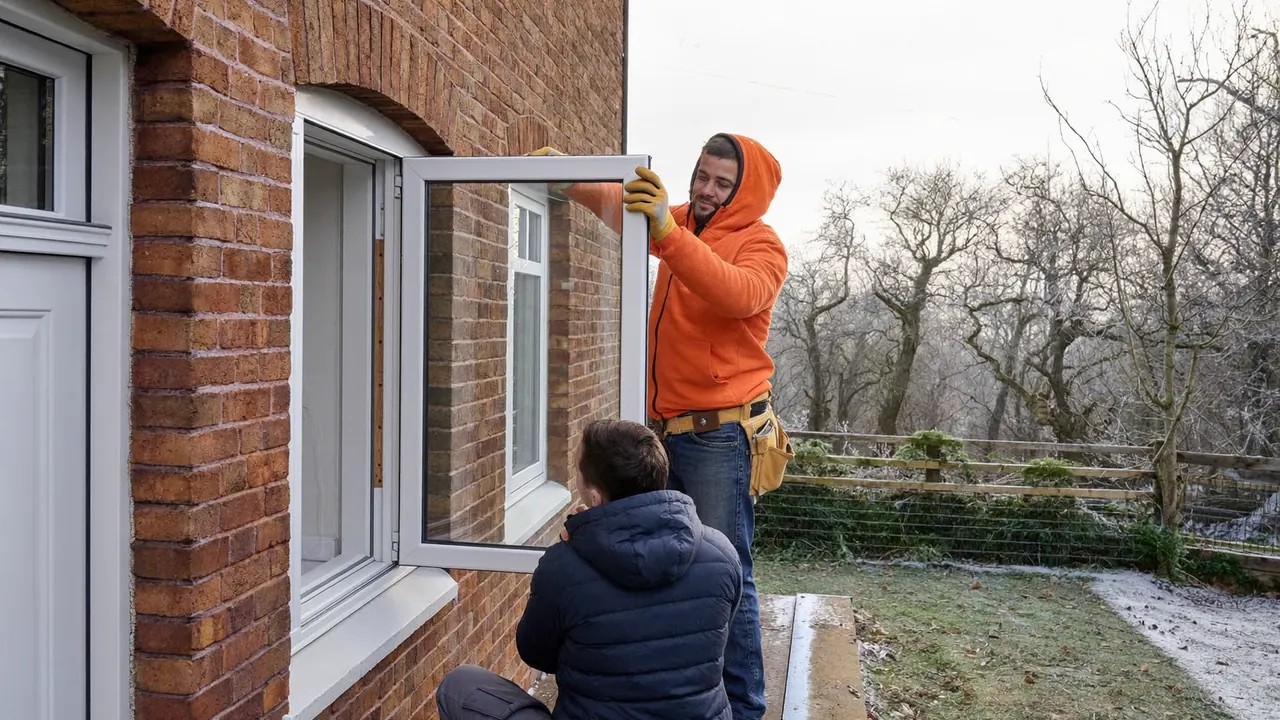
One of the most common myths about new windows is that you have to wait for warmer weather. You don’t. Professional installers replace windows through the coldest months every year, using a careful, one-opening-at-a-time method that keeps your home warm, dry and secure from start to finish. In many ways winter is a smart time to book — the autumn surge has passed, so slots often come up sooner.
Can you really fit windows in the cold?
Yes. Modern sealants and foams are formulated to cure in low temperatures, and a good crew plans the day around the weather. They remove and replace one window at a time, so there is never a gaping hole letting the heat out. The room you are in stays liveable, and the whole house is rarely exposed at once.
How installers keep your home warm and dry
- One opening at a time. The old frame comes out and the new one goes straight in before moving on, minimising heat loss.
- Weather-aware scheduling. Fitters watch the forecast and avoid the worst of heavy rain or ice for exterior sealing.
- Dust sheets and clean-up. Floors and furniture are protected, and the team tidies as they go.
- Proper curing. Cold-rated sealants and trims are used so the finish is weathertight even in low temperatures.
Warm home before the deep freeze
Tell us your postcode and we’ll match you with installers who have winter fitting slots in many areas.
Start my quote →Why winter can be the quicker option
After the autumn peak, workshop queues and fitting diaries tend to ease, which can mean a shorter overall wait. If speed is your priority, it is worth taking a moment to compare installer lead times in your area, because they genuinely differ between firms. You can also read our full breakdown of window installation lead times to see where the weeks go, or start with how quickly windows can be fitted for the whole picture.
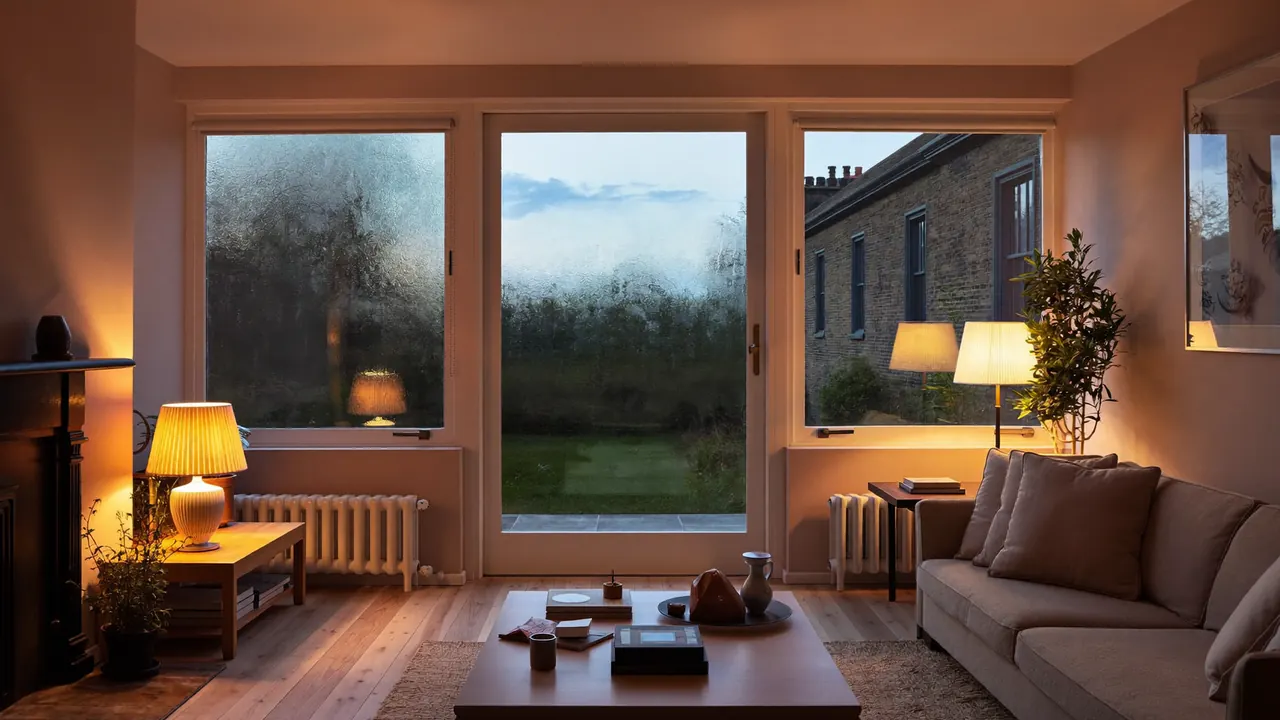
There is a comfort payoff too. Replacing draughty, single-glazed or failed units before the coldest spell means you feel the difference straight away. According to the Energy Saving Trust, upgrading to modern energy-efficient glazing reduces heat loss and draughts — exactly what you want in January. A warmer, better-sealed home also tackles condensation, which is at its worst in winter when moisture settles on cold single glazing; modern units with warm-edge spacer bars help keep that misting at bay.
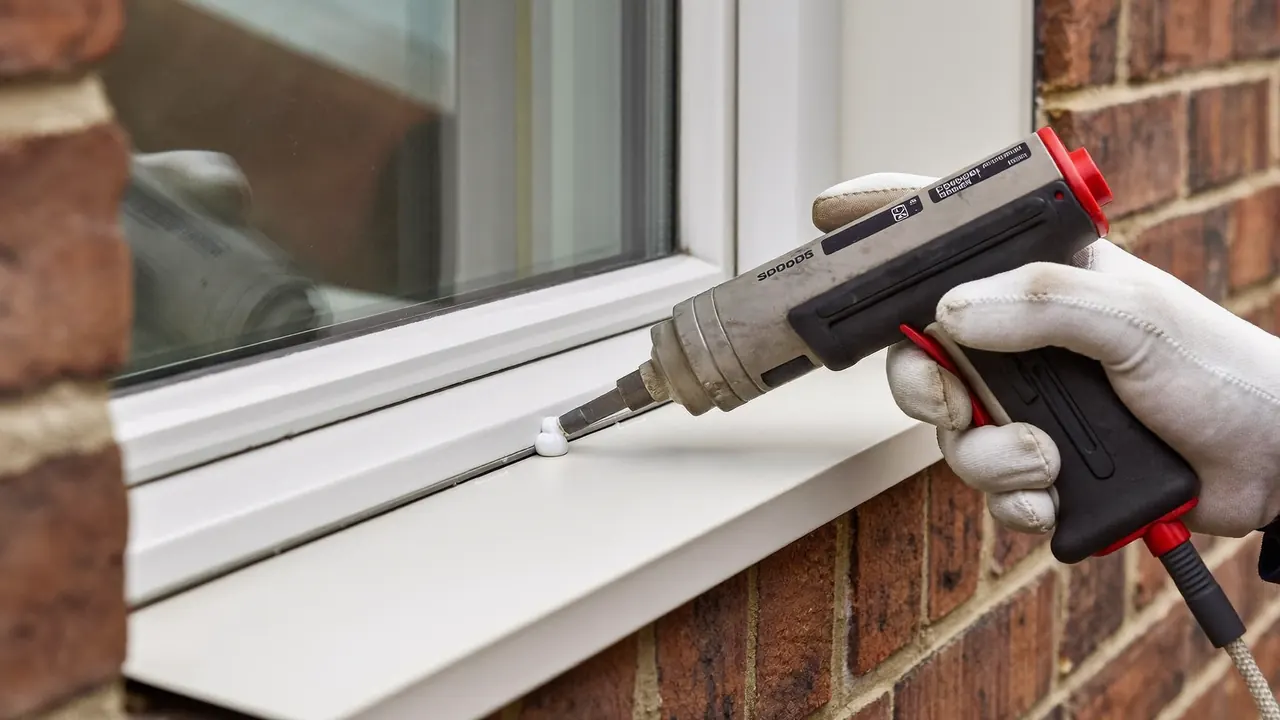
Make the most of a single visit
If a cold, tired door is also on your list, it makes sense to sort it together. Arranging doors and windows in one visit means one survey, one crew and one weathertight result — rather than opening the house up twice in winter. Not sure winter is right for you? Compare seasons in our guide to the best time of year to replace windows.
Don’t wait for spring
Free, no-obligation quote in about 45 seconds. Honest lead times, vetted local installers, no fake countdowns.
Start my quote →